


Many people think a time-lapse camera is just a regular camera that takes photos automatically. While the basic concept is simple, the engineering required to make a camera survive alone on a construction site for 12 months is incredibly complex.
In this technical guide, we will look under the hood of modern time-lapse systems. We'll explain the three critical technologies that separate professional gear from consumer toys: Power Management, Optical Flexibility, and IoT Connectivity.
⚙️ Inside the Tech: What We Will Cover
1. The Power Problem: How to Run for Months
The biggest challenge in long-term time-lapse is not taking the photo—it's staying alive between photos. A standard DSLR camera drains its battery just by being "on" in standby mode.
The Solution: Deep Sleep Architecture
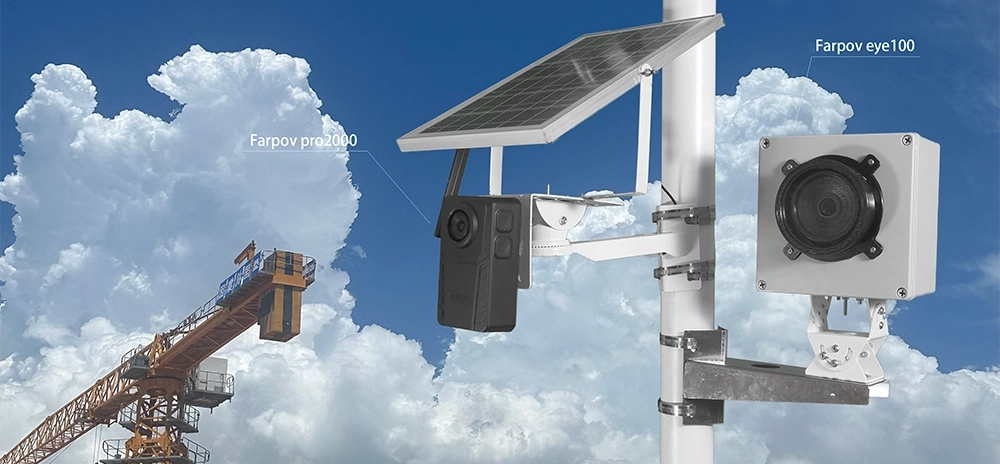
Professional cameras like the Farpov 2000 use a specialized microcontroller that cuts power to 99% of the system when not shooting.
Wake Up: The system wakes up for 2 seconds.
Capture: It takes the photo and saves it.
Sleep: It immediately shuts down everything except a tiny internal clock.
This "Deep Sleep" cycle allows our cameras to run for months on a single charge, or indefinitely with a small solar panel.
2. The Optical Engine: Sensors & Lenses
How does the camera actually capture the image? This depends heavily on the model you choose.
Fixed vs. Interchangeable Lenses
Most basic cameras use a fixed wide-angle lens. This is fine for general overviews, but it limits your creativity. If the camera is mounted 50 meters away, your subject will look tiny.
The Farpov Eye solves this by using a C-Mount system. This is the same standard used in industrial and cinema cameras.
How it works: You can unscrew the standard lens and attach a telephoto lens (zoom) or a specialized wide-angle lens.
The Benefit: You can place the camera in a safe location far from the action, but still get a close-up, high-resolution shot.
3. The IoT Brain: Remote Control via Cloud
In 2026, you should never have to physically touch your camera to check if it's working. Modern systems act as IoT (Internet of Things) devices.
How Remote Monitoring Works
Capture & Compress: The camera takes a high-res photo (20MB) and also creates a small preview version (200KB).
4G Transmission: Using an internal SIM card, the camera uploads the preview image to the Farpov Cloud server immediately.
User Access: You open the Farpov App on your phone. You see the photo taken 1 minute ago.
Remote Command: You notice the image is too dark. You change the ISO setting in the App. The command is sent to the cloud.
Sync: The next time the camera wakes up, it downloads your new settings and adjusts the exposure automatically.
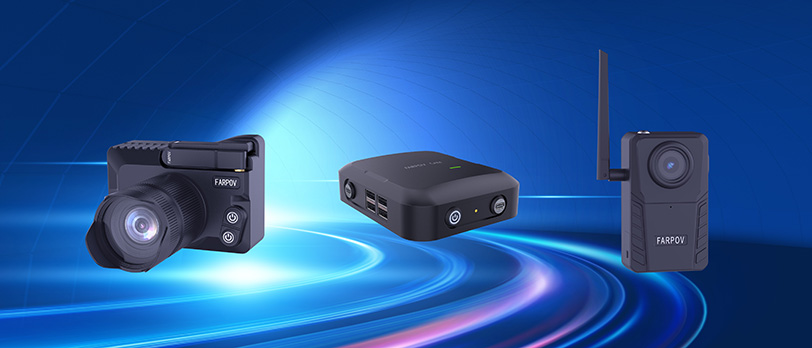
This technology is the core of the Farpov Cam controller, which brings these smart features to your existing DSLR cameras.
Conclusion: Choose the Right Tech for Your Job
Understanding how these cameras work helps you make a better buying decision:
Need Maximum Battery Life?
If you have no power source and need 100% reliability, you need the efficient architecture of the Farpov 2000.
Explore Farpov 2000 →Need Optical Flexibility?
If you need to change lenses for artistic shots or long-distance monitoring, the Farpov Eye is the only choice.
Explore Farpov Eye →Still have technical questions?







 WeChat
 WhatsAPP