


Setting up a camera for a weekend is easy. Installing an Intelligent Time-Lapse System that must survive outdoors for 2 to 3 years is a serious engineering challenge.
Most construction and infrastructure projects span multiple years. Your system must withstand scorching summers, freezing winters, and thousands of storms without missing a single frame.
This guide covers the professional workflow for deploying a Farpov system for long-term industrial monitoring.
📋 The 3-Year Survival Checklist
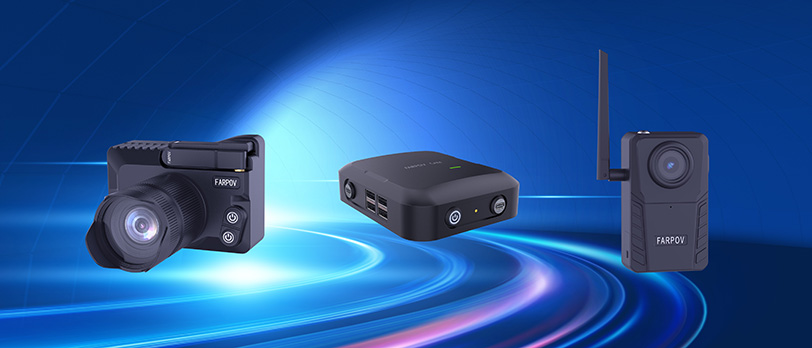
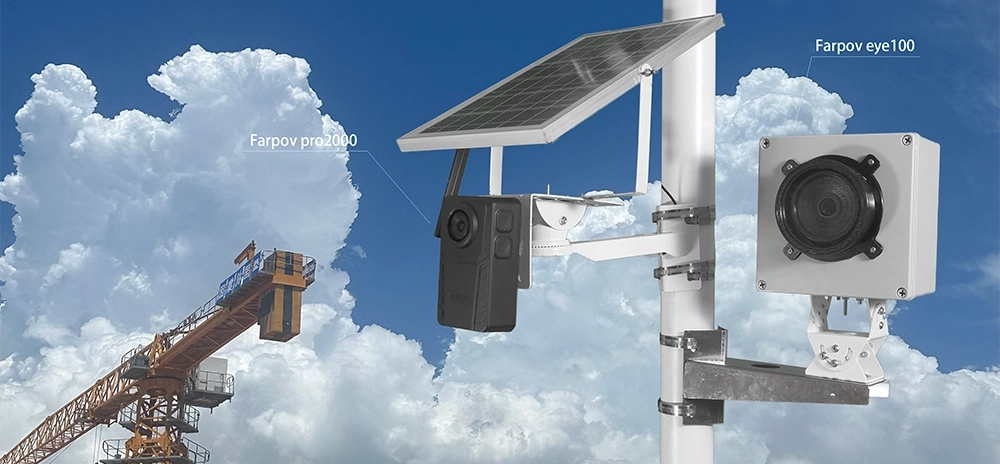
System: Farpov Pro 2000 (Intelligent System).
Power: 10W+ Solar Panel (Mandatory for multi-year runs).
Mounting: Industrial-grade stainless steel brackets.
Connectivity: 4G/LTE for remote health checks.
Step 1: Location Strategy for Multi-Year Projects
In a 3-year project, the environment will change drastically. A clear view today might be blocked by a new crane or scaffolding next year.

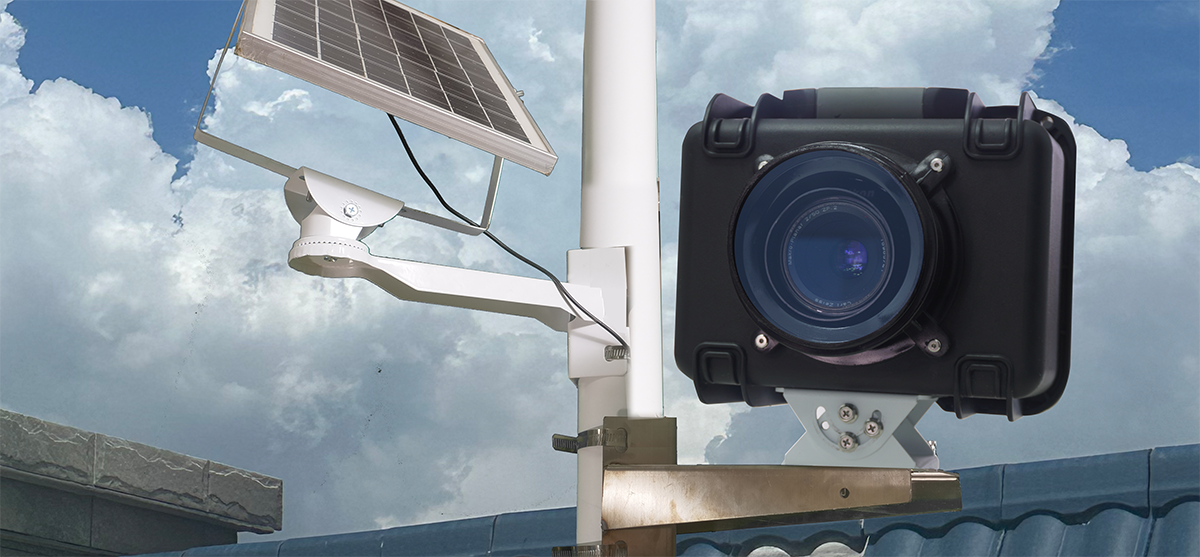
Install high and secure for 3 years of uninterrupted service.
Expert Tips for Long-Term Positioning:
Anticipate the Finished Building: Don't frame for the foundation. Frame for the 30-story tower that will exist in 2 years. Leave 30% "headroom" (sky) at the top.
The "North" Rule: For a 3-year shoot, the sun's path changes with the seasons. Facing North (in the Northern Hemisphere) ensures consistent lighting year-round and avoids direct sun damage to the sensor.
Stability is King: Use heavy-duty clamps. A vibration that is invisible today will ruin the video when sped up over 3 years.
Step 2: Powering a System for 1,000+ Days
For a project lasting 2-3 years, battery swaps are impossible. You need a self-sustaining energy ecosystem.
The Farpov Intelligent System uses an advanced RTC (Real-Time Clock) power management module. It doesn't just "stay on"; it hibernates.
Solar is Not Optional: For multi-year projects, you must use the 10W solar panel.
Angle for Winter: Angle your solar panel for the winter sun (lower in the sky). If it charges in winter, it will easily charge in summer.
Cable Protection: Over 3 years, UV rays destroy standard cables. Farpov uses industrial-grade UV-resistant cabling.
Step 3: Remote Commissioning
Once the hardware is up, you shouldn't need to touch it again until the building is finished.
📱 The Intelligent Cloud Workflow
1. Link: Connect the system to the Farpov Cloud App.
2. Test: Trigger a test shot to verify the upload speed.
3. Monitor: The system will now report its battery voltage and storage status daily.
Manage your 3-year project from your phone.
Step 4: Interval Settings for Industrial Projects
Choosing the right interval is crucial. Too many photos waste data; too few make the video choppy.
| Project Scale | Typical Duration | Recommended Interval |
|---|---|---|
| Major Infrastructure (Airports, Skyscrapers, Dams) | 2 - 4 Years | Every 10 - 15 Minutes (Upload once/day) |
| Mid-Size Construction (Residential, Warehouses) | 1 - 2 Years | Every 5 - 10 Minutes |
| Short-Term Projects (Events, Interior Fit-outs) | 3 - 6 Months | Every 1 - 3 Minutes |
Conclusion
A 3-year project is a marathon, not a sprint. You need an Intelligent Time-Lapse System that manages its own power, health, and data.
The Farpov Pro 2000 is engineered specifically for these industrial timelines, ensuring that when the ribbon is cut 3 years from now, you have the perfect video to show for it.
Planning a long-term project?







 WeChat
 WhatsAPP